Get enough,
good-quality sleep
Back to top
Get enough, good-quality sleep
Build Your Migraine Prevention Squad


Eat regular
meals and snacks
Make hydration
a habit
Ask your doctor
for preventive medications
Consider Botox injections for migraine
Getting too little or too much sleep can trigger a migraine episode for some people. And it can turn into a vicious cycle: poor sleep makes migraine episodes more likely, and migraine episodes can make sleep worse.
If that sounds familiar, it may be time to step up your sleep habits. Here are a few tips to improve your sleep hygiene:
Keep a consistent schedule. Go to bed and
wake up at the same times every day, even
on weekends.
Create your own relaxing bedtime routine to cue your body to rest. A shower or bath is a great way to start. Also consider some gentle stretching, having a cup of tea, or reading (but not on your phone) before bed.
Set up a charging station for your phone that’s outside your bedroom. Set your electronic devices there for the night before you head into your sleep sanctuary.


Dial down
the stress
What and how you eat can also be part of your migraine prevention strategy.
Fasting or skipping meals and other irregular eating patterns may trigger migraine episodes.
To kick off a healthy migraine-prevention eating pattern, you’ll need to stock up your kitchen.
Start by preparing your own migraine-friendly grocery list, including a range of healthy options and alternatives to foods that trigger your migraine episodes. Consider adding a few
no-prep foods for busy days so you can fuel up easily when you’re run-down or in a rush.
You might want to add a few foods that help
you manage acute migraine attacks, like ginger
or mildly caffeinated drinks.
And remember, eating something (even if it’s
not particularly nutritious) is better than eating nothing!
Eat regular meals and snacks
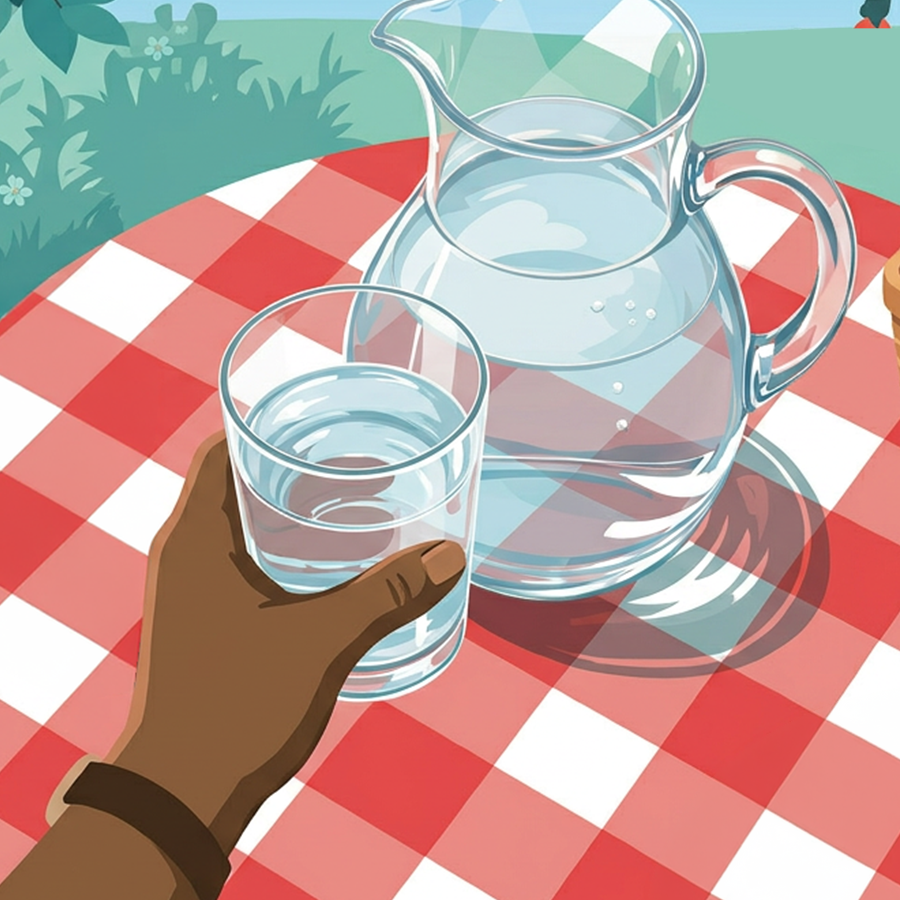
To avoid dehydration-induced migraine attacks, incorporate water into your everyday routine in ways that work for you. Try drinking a big glass
of water first thing in the morning before breakfast. Make sure to drink lots after you exercise or after being out on a hot day. You can also get fluid
from eating water-rich foods like strawberries, watermelon, squash, or cabbage.
If you like ice-cold water, fill a freezer-safe bottle and put it in the freezer to enjoy the next day. Add a wedge or two of lemon or lime for some flavor.
Unsweetened hot or cold tea is a great way to enjoy water, too. Consider taking a tea break midday. It can help reduce stress, which also
helps keep migraines away.
Make hydration a habit
Injections of onabotulinumtoxinA (Botox) into specific head and neck muscles may help
prevent migraine attacks for extended periods. One analysis of several studies found that it reduced participants’ migraine days by half during the study.
It also helps reduce medication use, migraine pain intensity, and the number of visits to the emergency room per month.
If you’re interested in trying Botox injections for migraine, speak with your doctor. They can assess whether this treatment might work well for you.
Consider Botox injections for migraine
Some medications for migraine are focused
on stopping an attack that’s already in progress. Others work to prevent migraine episodes from happening in the first place. Talk with your doctor about getting both tools in your toolkit.
Researchers have made advances in recent
years. Today, several preventive medications
are available. Each has its own benefits, potential risks, and side effects.
For example, calcitonin gene-related peptide (CGRP) monoclonal antibody drugs are a promising new class of migraine prevention drugs that may start working faster than some other migraine drugs and have fewer side effects.
Work with your doctor to decide which might
work best for you.
Ask your doctor for
preventive medications
A high stress load from everyday events, hassles, and other stressors is a major migraine trigger for many people. A major stressful life event can also turn episodic migraine into chronic migraine.
Taking steps to ease your stress levels can help, alongside your medication.
It’s all about learning how to recognize the signs
in your body and mind when you’re stressed, and then taking steps to lower that stress.
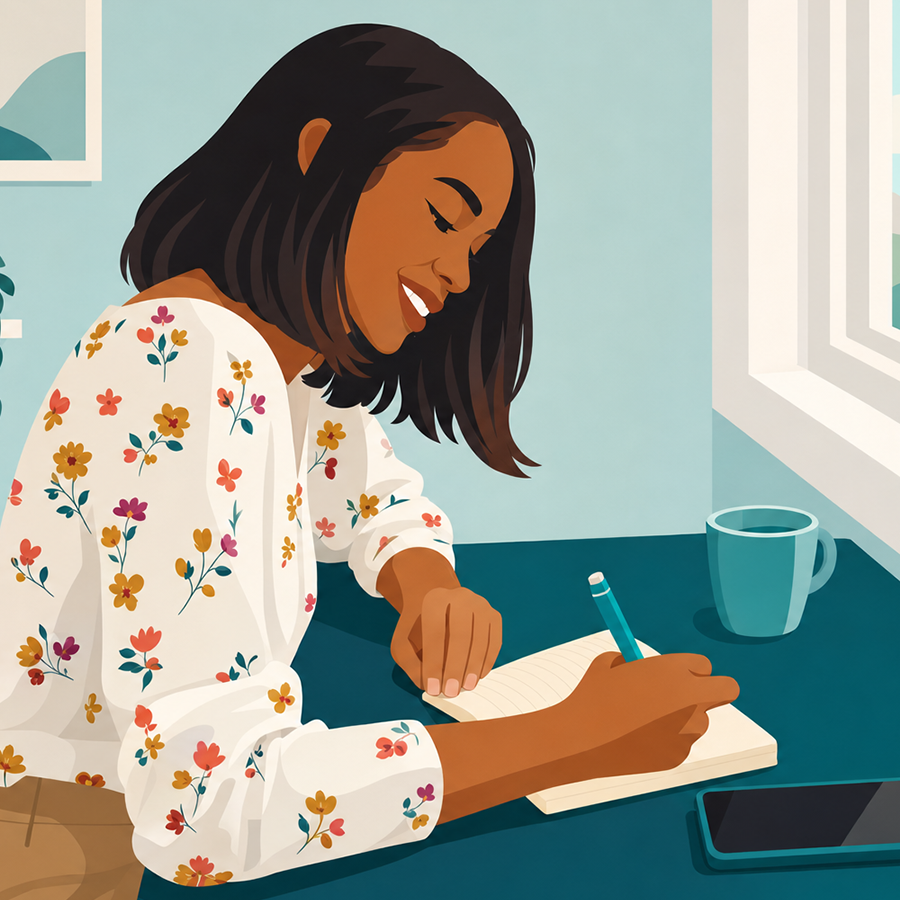
Journaling, going for a walk, and hanging out
with people who make you feel good are all great stress-relievers you can tap into when you’re
feeling well enough.
Dial down the stress