A 2022 review found that massage therapy may help relieve anxiety in people with HIV. This is consistent with an older 2010 review that found that massage may boost mood, improve quality of life, and possibly improve immune system functioning.
More research is needed to learn how massage therapy may affect the immune system and overall health of people with HIV. Combining massage with mindfulness practices might be more effective than massage alone.
Mindfulness practices focus your attention on the current moment, using techniques such as deep breathing or gentle movement to relax your body and mind.
Examples include meditation, yoga, and mindfulness-based cognitive therapy. A 2021 review found these practices may help reduce stress, anxiety, and depression and improve quality of life in people with HIV.
Some studies in the review also found that mindfulness practices may help improve immune system functioning.
Eating a well-balanced, nutrient-rich diet is important for supporting your immune system. It may also lower your risk of certain conditions that are more common in people with HIV, such as cardiovascular disease and type 2 diabetes.
Your doctor may refer you to a registered dietitian to help you develop a healthy eating plan. It’s generally best to eat a wide variety of fruits, vegetables, whole grains, and lean proteins while limiting your intake of added sugars and saturated fat.
Exercise
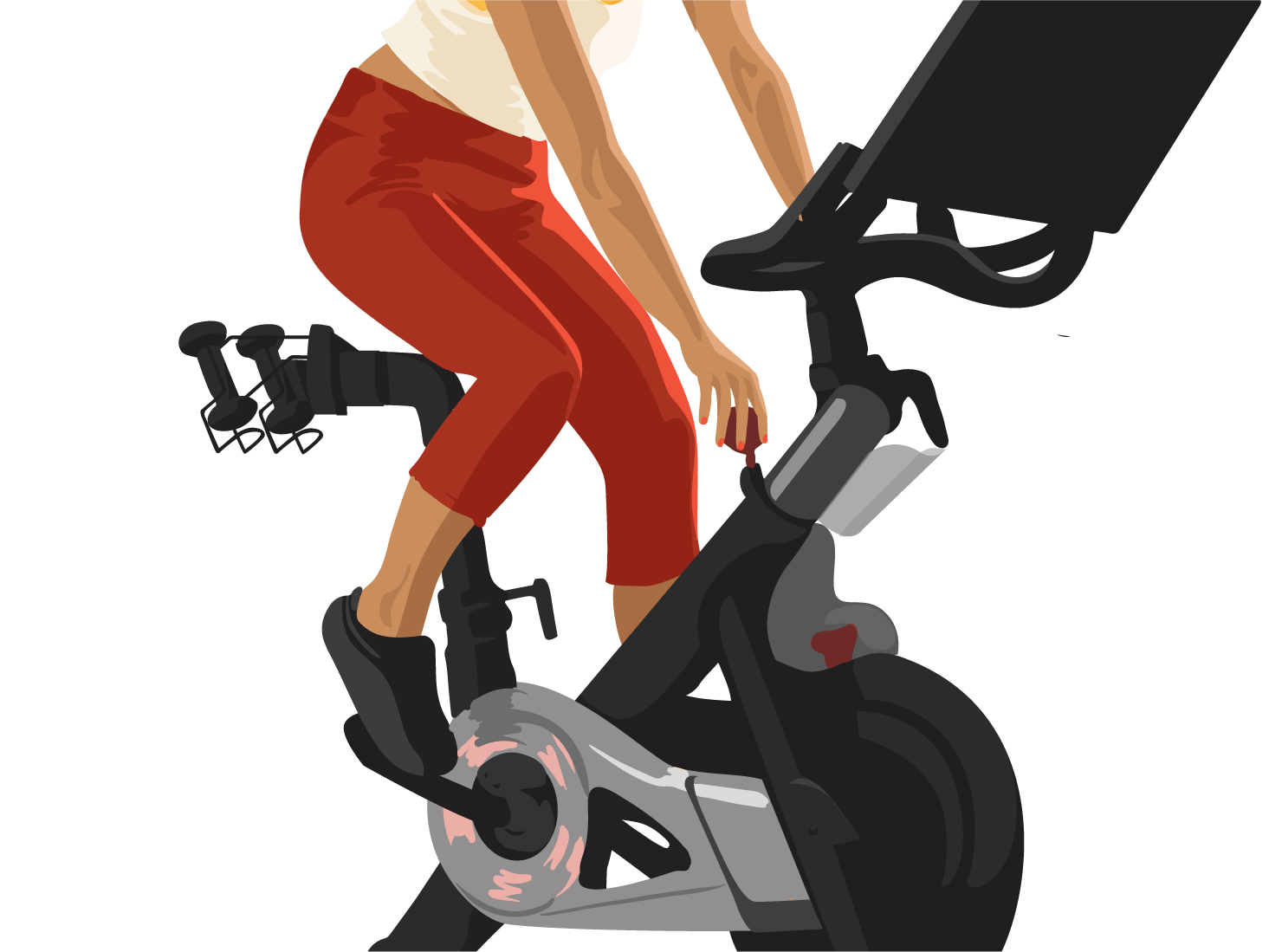
A 2020 research review reports that regular exercise may help improve mood, sleep, physical fitness, and bone density in people with HIV. It may help lower your risk of certain conditions that are more common in people with HIV, such as depression, cardiovascular disease, type 2 diabetes, and osteoporosis.
The Centers for Disease Control and Prevention (CDC) recommends at least 150 minutes of moderate-intensity aerobic activity and 2 days of muscle-strengthening activity per week.
Nutrition
Mindfulness
Massage


Complementary Health Toolkit
HIV